

Brought to you by beehiiv.
We need your vote.
Creator Spotlight is nominated for two Webby awards — Best Writing and Entertainment & Culture Website. We're in the running but not winning yet, and the audience choice award is entirely down to whose audience shows up in support.
Will you help us win? It takes 10 seconds.
Thank you. We write for your readership; your support here means everything.
— Francis Zierer & Natalia Pérez-González

How should creator-newsroom partnerships work?
I spent the past week in Chicago, chatting with journalists, editors, and creators at two conferences about how creators and journalists can best work together.
In all the panels I spoke on or attended, we explored the gaps in understanding between journalists and creators, the metrics of trust between the two, and how they could more creatively leverage each other’s strengths beyond simple content exchange.
Creators appeal to audiences for their world-building and their curation; their ability to make that audience feel they belong to something. And for journalism-focused creators, the appeal of traditional media companies is infrastructure — the credibility, the lawyers, the institutional memory.
The challenge for newsrooms looking to work with creators is to fulfill their appeal to creators in a way that does not dilute and even increases the creator’s appeal to their audience.
Whether you’re a creator looking to work with newsrooms or vice versa, here are three lessons to guide your approach.


Lesson 1: A creator isn't an extension of the newsroom
In my conversations, I noticed many of the questions from journalists were about how to fit creators into their already established, traditional journalism models, how to train them to be reporters and researchers, how to follow a specific code of ethics.
This is the wrong approach.
Like any contractor, creators are independent entities with their own audiences, built-in trust, and production styles. Newsroom-creator partnerships work best when both sides understand this.
Creators are marketers, a way of thinking that is foreign to so many journalists. Creators are audience experts, meant to complement the work, amplify reach and impact, and add personality to a newsroom’s institutional voice.
It’s one thing to produce compelling, thoughtful, well-researched reporting, but another to know how to distribute it well and strategically.
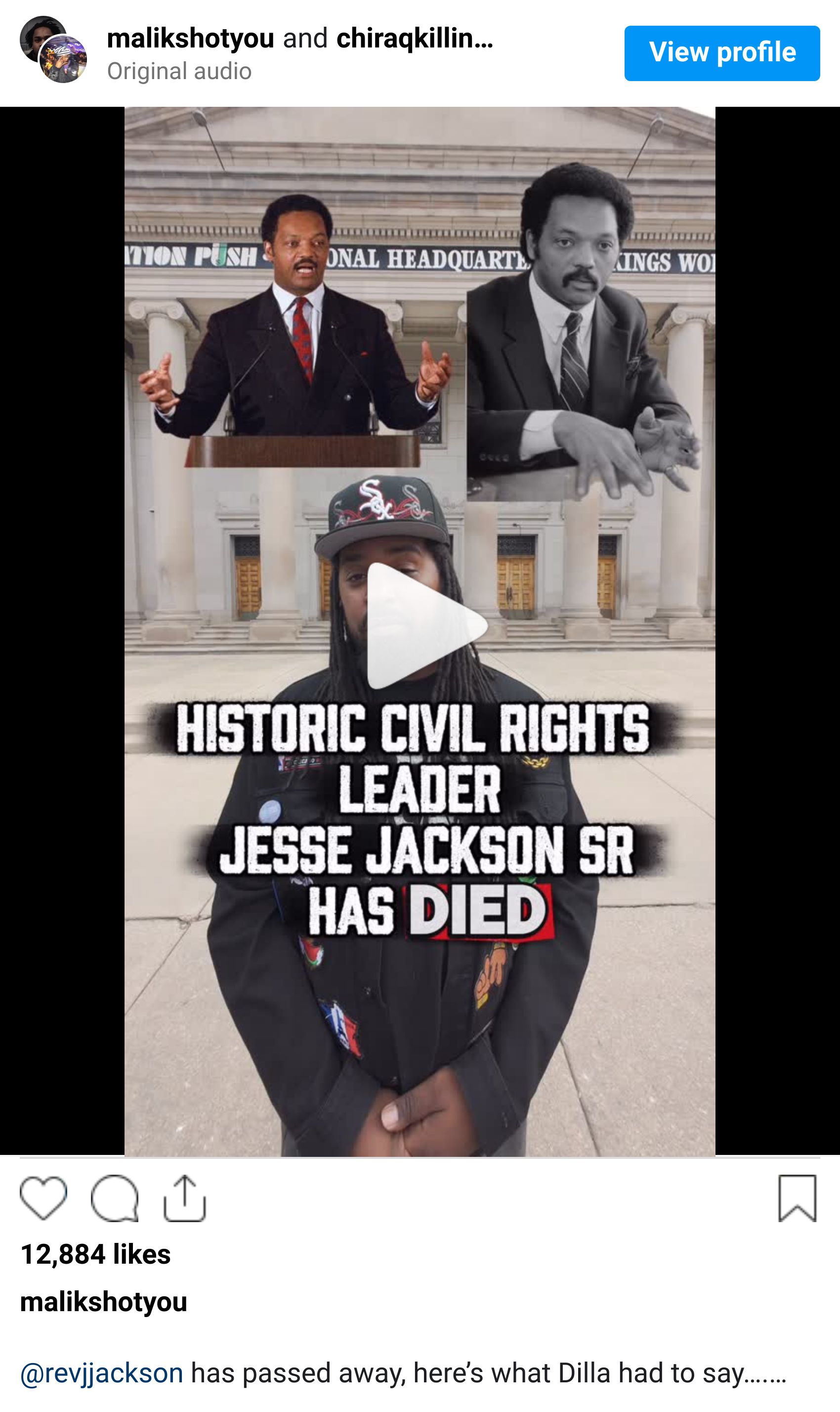
One of the most energizing sessions at Amplify Local paired Jen Sabella, co-founder of Block Club Chicago, with creator Shermann "Dilla" Thomas — a local, Emmy-award-winning historian. Dilla, who is known for his neighborhood bus tours, has built a loyal, civic-minded following through deep community knowledge.
Block Club's approach, Jen explained, is that all of their reporters are truly embedded in their local communities. The insights she brought to the creator conversation were the natural extension of that: how does a newsroom embed itself in a creator's world, rather than solely expecting the creator to assimilate to theirs?
Dilla’s partnership with Block Club went beyond traditional context exchange, using the in-person formats his audience already shows up for — like bus tours built around the history connected to a recent news story.
Lesson 2: Expert creators make for effective news distributors
Adriana Lacy, consultant and founder of Influencer Journalism, brokers partnerships between creators and newsrooms. Often, newsrooms repeat one mistake when casting creators.
"If you're truly serious about reaching an audience you haven't reached before," she told me, "you're not going to partner with a news influencer. You're going to find someone who is a trusted messenger in the space you’re reporting on."
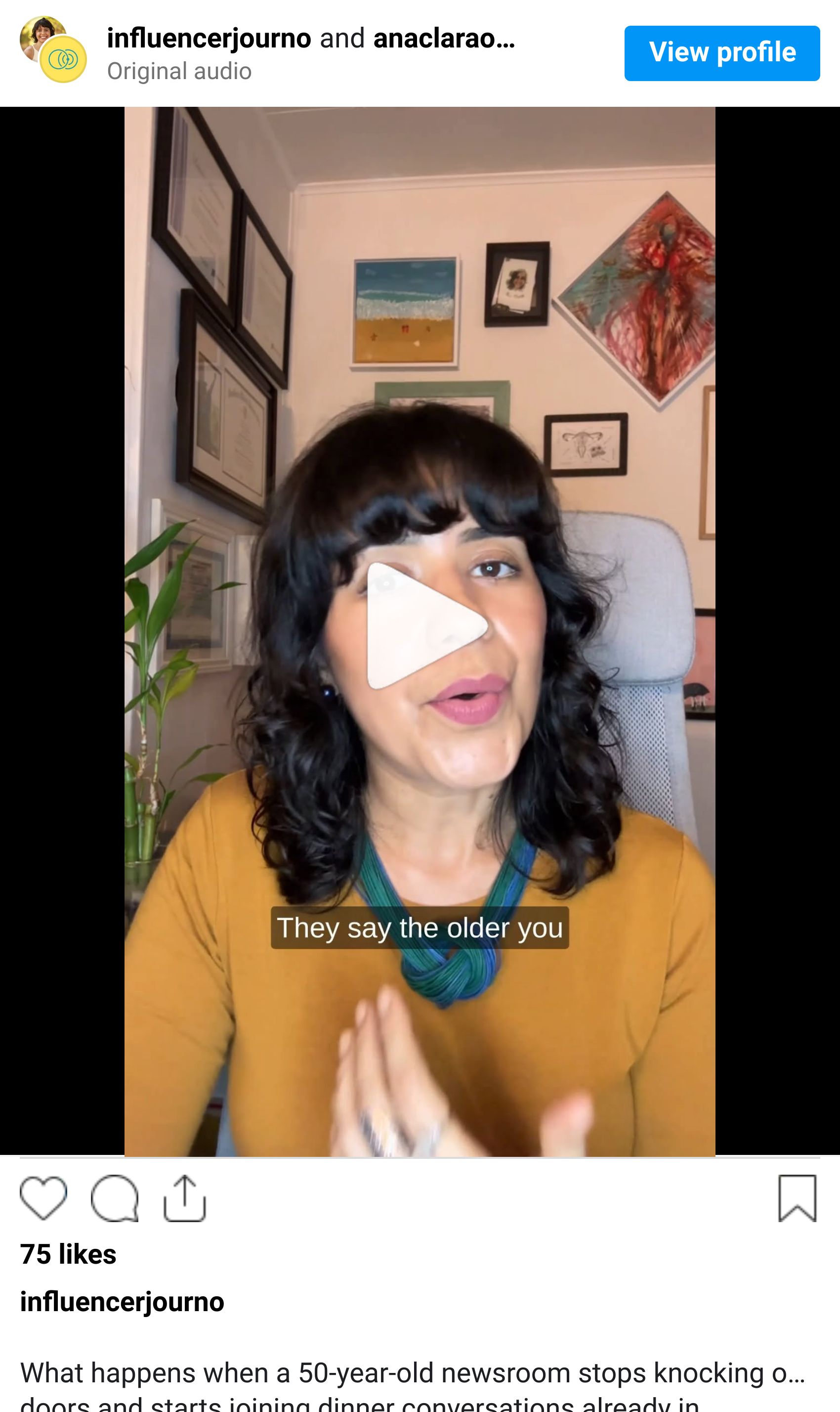
The instinct to seek only creators who are perfectly aligned with journalism's language — people with news values, editorial sensibility, and a recognizable beat — is understandable. It’s safe; it’s limiting. Newsrooms looking for creators who already produce creator-journalism content may expand their reach less than expected.
Adriana matches creators with newsrooms the same way a good reporter thinks about sourcing. If a newsroom wants to reach Black women navigating mental health challenges, the question isn't: who covers mental health? But rather, is there a Black woman who is a licensed counselor and also has an audience? Because that audience is already embedded — already trusting and engaged.
“A big question I've been getting from newsrooms is, why would they want to work with me?
But when I talk to these creators — if you're a local newsroom and you're really in the community — a lot of them are honored to work with newsrooms because they still feel like there's a level of prestige to it. It validates the work that they're already doing, showing that a professional organization is taking them seriously.“
When High Country News ran a story on geology and deep time, they needed a partner who lived in that world; rather than a science journalist, they just needed someone whose entire presence was built around science. Adriana’s team found a geologist at the University of Oregon who’d built a following for her photography — she’d built a 30,000-strong Instagram audience for their royalty-free rock and nature photography.
The collaboration was a co-post — the geologist promoted the story while layering in her own geological knowledge, contextualizing it for an audience that already trusts her eye and expertise.
Adriana wants newsrooms to understand that for many creators, the goodwill is already there.
"I don't even think she would consider herself a creator. But going back to this idea of authenticity — big following, trusted messenger — she had everything you'd want in a partner."
Lesson 3: A creator’s role in a newsroom is expansive
Jonathan Rabb, journalist and founder of Watch the Yard, challenged the newsroom leaders in the room to stop trying to turn creators into journalists. The skill set isn't the same, the incentives aren't the same, and the audience relationship isn't the same.
Instead, he pushed for more expansive thought into what a creator’s role in the newsroom could actually look like: Be it a …
Talk show host who does a creative read-through of the morning headlines
A community anchor who shows up in the neighborhood the newsroom covers and brings the audience along.
A neighborhood foodie who reviews the restaurant on the block your reporter just covered.
… or anything that adds personality and a familiar face, and helps promote the work.
He didn’t touch on credentials or ethics or editorial alignment. It was simpler and harder than that: what does your newsroom need that it doesn't currently have?
There is almost certainly a creator out there who has already built a career doing exactly what it is your newsroom is missing — for an audience you haven't reached yet.
If you’re a creator with a loyal audience focused on a highly specific topic like history, food, or science, you have a great deal to offer to newsrooms (local and beyond). Your challenge, if you want to utilize that platform, is to find folks who understand the value of what you’ve built.
